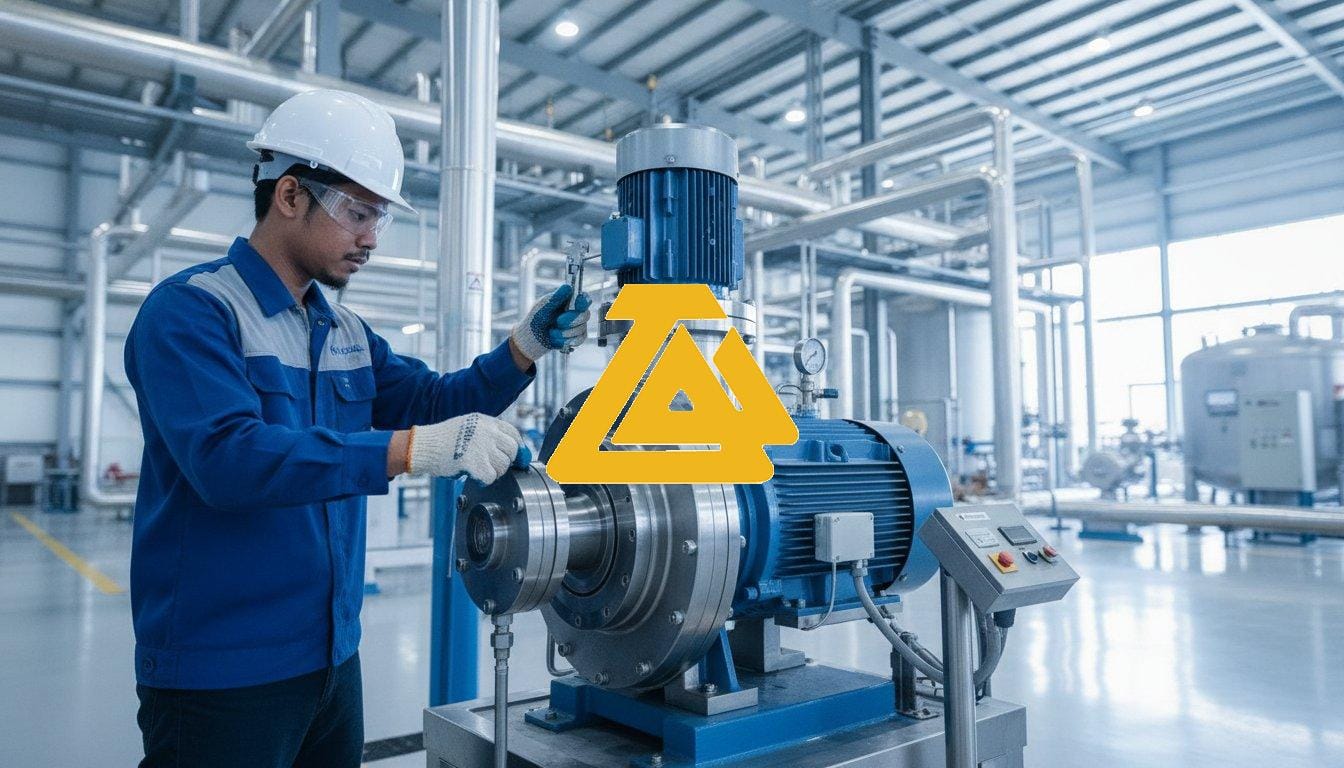
How much does a single hour of unplanned downtime cost your facility when a pump casing fails due to chemical attack? In the demanding environments of Malaysian oil and gas rigs or palm oil refineries, the difference between operational excellence and a hazardous spill often comes down to material science. Selecting the right corrosion resistant centrifugal pumps is not merely a procurement task; it’s a strategic decision that impacts your bottom line and workplace safety. We understand the frustration of dealing with frequent equipment failure and the logistical headaches of long lead times for specialized parts in Sabah and Sarawak.
This guide provides the technical framework you need to select chemical pumps that withstand aggressive fluids and optimize operational longevity. You’ll learn how to match specific alloys and polymers to your process chemicals while adhering to the latest DOSH safety standards. We’ll also explore how integrating precise flow measurement can reduce waste and why a reliable technical partnership is essential for maintaining infrastructure across both Peninsular and East Malaysia. By the end of this article, you’ll have a clear roadmap for extending your equipment lifecycle through the expertise offered by Totalmas.
Key Takeaways
- Understand the core mechanics of specialized chemical pumps and how corrosion-resistant wetted parts protect your infrastructure from aggressive or toxic fluids.
- Evaluate the cost-benefit ratio of exotic metallic alloys versus polymer-lined corrosion resistant centrifugal pumps to optimize your long-term maintenance budget.
- Master critical engineering factors, including Net Positive Suction Head (NPSH) and fluid viscosity, to prevent cavitation and ensure reliable performance.
- Address sector-specific challenges in Malaysia, ranging from handling refinery by-products in the oil and gas industry to managing POME treatment in palm oil mills.
- Discover how Totalmas leverages 33+ years of experience to provide technical solutions and comprehensive support throughout Peninsular Malaysia, Sabah, and Sarawak.
What is a Chemical Pump? Understanding the Core Mechanics
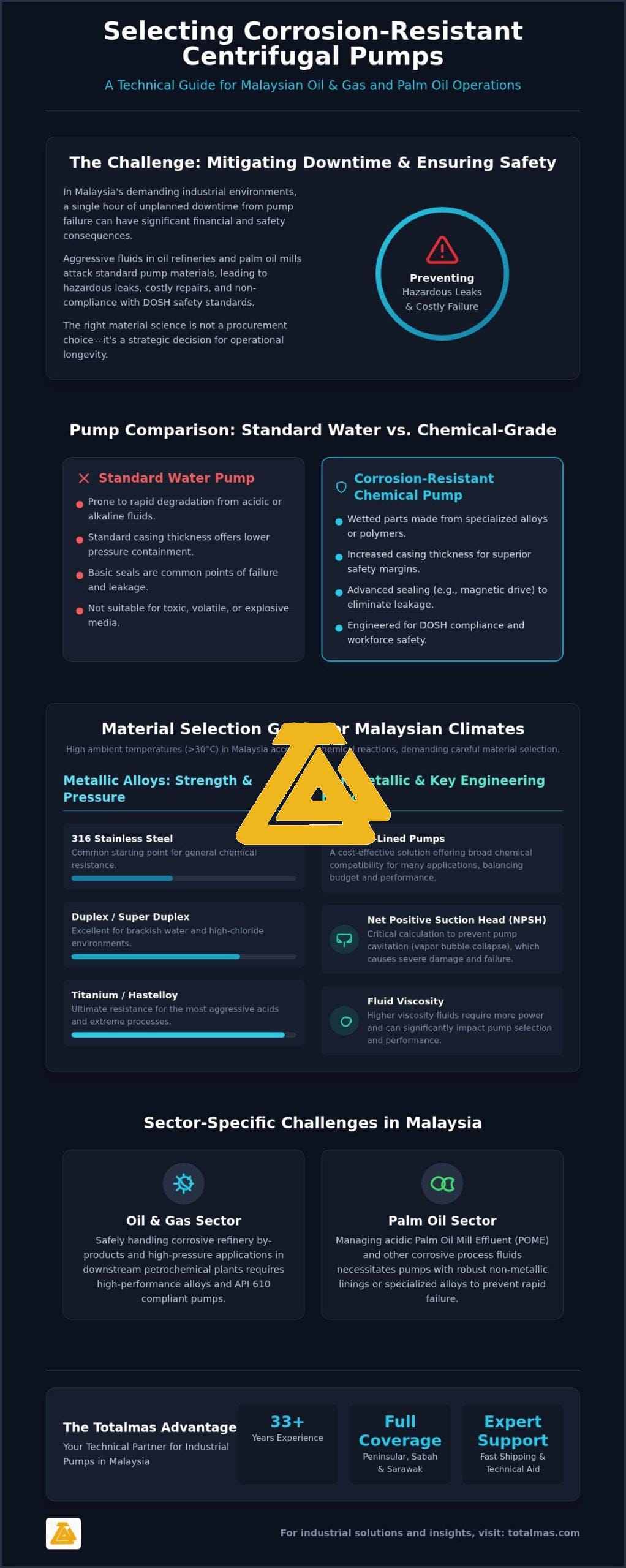
A chemical pump is a specialized piece of engineering designed to transport aggressive, toxic, or explosive fluids without compromising safety or process integrity. While the fundamental centrifugal pump mechanics apply, the execution differs significantly from general-purpose machinery. The primary distinction lies in the “wetted parts.” These components, which include the impeller and casing, are fabricated from high-grade metallic alloys or non-metallic polymers chosen for their chemical compatibility. In heavy-duty environments like Malaysian oil refineries, the primary goal is to prevent hazardous leakage and ensure the safe transport of volatile liquids. Totalmas has spent over 33 years helping factory managers select corrosion resistant centrifugal pumps that eliminate environmental hazards through advanced designs like magnetic drives and specialized shaft sealing systems.
Standard vs. Chemical-Grade Centrifugal Pumps
Standard water pumps aren’t built for the chemical rigors of the palm oil or petrochemical sectors. Chemical-grade units feature increased casing thickness and higher material density to provide superior pressure containment and safety margins. If you use a standard pump in an acidic or alkaline environment, the internal components will degrade rapidly. This leads to premature failure and costly downtime. Seal-less designs, such as magnetic drive pumps, are particularly vital when handling toxic fluids. By removing the traditional shaft seal, these pumps eliminate the most common point of leakage. This ensures your facility remains compliant with DOSH safety standards while protecting your workforce across both Peninsular and East Malaysia, including Sabah and Sarawak.
The Critical Role of Shaft Seals
When a seal-less design isn’t applicable, the choice of mechanical seal becomes the most important factor in system reliability. Single mechanical seals work for many standard applications, but aggressive media or high-pressure chemical lines often require double mechanical seals. These provide an extra layer of protection by using a barrier fluid between the seal faces to prevent chemical escape. For specialized industrial applications, hydrodynamic seals utilizing auxiliary impellers can create a pressure zone that keeps the liquid away from the shaft during operation. Intermittent chemical processes also benefit from standstill seals, which maintain system integrity even when the pump is idle. Selecting the right configuration for corrosion resistant centrifugal pumps is a core part of the technical support Totalmas provides to ensure long-term operational success and minimal process contamination.
Metallic vs. Non-Metallic: Chemical Resistance Guide
Selecting the correct material for corrosion resistant centrifugal pumps requires a balanced assessment of fluid pH, chemical concentration, and process temperature. In Malaysia, the high ambient temperature often stays above 30 degrees Celsius, which can accelerate chemical reactivity and impact material integrity. While a material might resist a specific acid at 20 degrees Celsius, it could fail rapidly in our tropical climate. Totalmas brings 33 years of field experience to this selection process, ensuring that your equipment matches the specific chemical profiles of your facility. We focus on providing solutions that offer a sense of security through proven reliability.
Metallic Materials: Stainless Steel and Exotic Alloys
Metallic pumps offer superior mechanical strength and pressure ratings, making them the standard for high-vibration environments in the oil and gas sector. While standard 316 Stainless Steel is a common starting point, it often lacks the durability required for brackish water or high-chloride environments. In these cases, Duplex and Super Duplex alloys provide significantly higher resistance to pitting and stress corrosion cracking. For the most aggressive acids and extreme chemical processes, exotic metals like Titanium or Hastelloy become necessary. Totalmas specializes in selecting API 610 centrifugal pumps Malaysia that utilize these high-performance alloys to ensure long-term reliability in downstream petrochemical plants.
Non-Metallic and Lined Pump Solutions
Non-metallic pumps are often the more cost-effective choice for strong acids and bases that would quickly consume even high-grade alloys. Thermoplastics like Polypropylene (PP) and Polyvinylidene Fluoride (PVDF) provide excellent resistance to a wide range of corrosive agents. For handling abrasive slurries, such as those found in Palm Oil Mill Effluent (POME) treatment or industrial wastewater, rubber-lined or thermoset resin pumps offer the necessary wear resistance. You must be mindful of critical temperature thresholds; non-metallic components can suffer from thermal deformation if the process exceeds their rated limits. Totalmas ensures that these material nuances are addressed during the consultation phase to prevent premature component failure.
A thorough cost-benefit analysis often reveals that polymer-lined pumps offer a lower total cost of ownership for specific chemical dosing applications compared to exotic alloys. If you aren’t sure which material suits your current process, our technical team provides comprehensive support across Peninsular Malaysia, Sabah, and Sarawak to help you make an informed choice. You can explore our range of ANSI and API pumps to find the right fit for your operational needs while ensuring your facility remains compliant with safety standards.
Key Engineering Factors for Reliable Fluid Handling
Engineering a reliable fluid handling system requires more than just picking a compatible material. You must account for hydraulic variables that dictate the pump’s operational life. Fluid viscosity, for instance, significantly impacts the performance of centrifugal pumps. As viscosity increases, the pump requires more power, necessitating careful motor sizing to avoid overloads. Temperature stability is equally critical; fluctuations can compromise mechanical seals or lead to fluid vaporization, causing catastrophic failure. Totalmas provides the technical expertise to navigate these complexities, ensuring your corrosion resistant centrifugal pumps operate within their optimal performance window.
Hydraulic Performance and NPSH
Net Positive Suction Head (NPSH) is a fundamental metric that determines whether your pump will suffer from cavitation. NPSH is the minimum pressure required at the suction port to prevent fluid vaporization. To ensure stable operation, the NPSH Available (NPSHa) in your system must always exceed the NPSH Required (NPSHr) specified by the manufacturer. In high-temperature chemical lines common in Malaysian palm oil mills, the margin for error is slim. Proper sizing prevents the formation of vapor bubbles that implode against the impeller, causing pitting and vibration that shortens equipment life. Our team assists in these calculations to ensure your system design remains robust under varying load conditions.
Instrumentation for Pump Monitoring
Real-time data is the best defense against unplanned downtime. Integrating high accuracy flow meters allows you to monitor precise chemical dosing and detect internal wear before it leads to failure. When flow rates drop despite constant motor speed, it’s often a sign of internal recirculation or impeller erosion. Additionally, using high temperature pressure transmitters helps monitor pump health in volatile environments by tracking suction and discharge pressures. Totalmas offers Enovation Controls to automate pump shutdowns if dry-running or abnormal pressure is detected, protecting your investment across Peninsular Malaysia, Sabah, and Sarawak. This synergy between pumps and instrumentation optimizes your maintenance schedule and ensures compliance with industrial safety standards.
Industrial Applications in Malaysia: Oil & Gas and Palm Oil Sectors
The industrial landscape in Malaysia presents unique challenges for fluid transport, particularly within the palm oil and petrochemical sectors. Equipment must withstand not only the chemical aggressiveness of the fluids but also the local environmental conditions. From the high-temperature processing of fatty acids to the hazardous by-products found in oil refineries, selecting corrosion resistant centrifugal pumps is a critical step in ensuring operational safety. Totalmas leverages 33 years of experience to help factory managers navigate these requirements, ensuring that every installation complies with the Occupational Safety and Health Regulations 2000 and the Factories and Machinery Act.
Chemical Handling in Palm Oil Processing
Processing crude palm oil (CPO) involves handling fluids with significant acidity, especially during the extraction and refining stages. Temperatures in these processes often reach 90 degrees Celsius or higher, which can accelerate the degradation of standard pump components. This necessitates the use of corrosion resistant centrifugal pumps with specialized wetted parts to maintain process purity and seal integrity. Managing Palm Oil Mill Effluent (POME) also requires robust pumps for chemical dosing and wastewater treatment. Many mills across Peninsular Malaysia find that integrating a waste heat recovery unit Malaysia alongside their fluid systems provides substantial efficiency gains while maintaining the thermal stability of the pumping process.
Offshore and Refinery Requirements
In the Malaysian oil and gas sector, particularly for offshore operations in Sabah and Sarawak, saltwater corrosion is a constant threat. Chemical injection systems used on these platforms must be fabricated from alloys that resist pitting and stress corrosion cracking. For hazardous area pumping in refineries, adherence to API 610 standards is mandatory to ensure the safe handling of volatile and toxic hydrocarbons. These facilities often operate as complex, integrated environments where fluid transport systems work in tandem with bulk material handling equipment to move both liquid and solid raw materials efficiently. Totalmas provides the technical support needed to manage these diverse requirements from a single point of contact.
Adhering to local safety standards is not just about compliance; it’s about protecting your workforce and your investment. If you’re looking to upgrade your current infrastructure or require specialized maintenance for your pumping systems, you can consult with Totalmas for reliable technical solutions. We offer comprehensive support and fast shipping to both Peninsular and East Malaysia, ensuring your operations remain steady and secure.
Procuring Industrial Pumps in Malaysia: The Totalmas Advantage
Selecting corrosion resistant centrifugal pumps is only the first step toward operational stability; the second is securing a reliable partner for procurement and lifecycle support. Totalmas offers 33 years of industry experience, positioning ourselves as a seasoned expert for factory managers who value trust and long-term performance. We serve as a single point of contact for high-quality ANSI and API centrifugal pumps, flow meters, and industrial displays. This integrated approach ensures that your mechanical systems and monitoring instrumentation work in perfect synergy to reduce process waste and optimize efficiency. By choosing a partner with deep roots in the Malaysian industrial sector, you gain the security of proven reliability and functional success.
Technical Support and Logistics Excellence
Logistical challenges often delay critical repairs, especially for industrial sites located in East Malaysia. We’ve optimized our supply chain to provide fast shipping and rapid response times for clients in Sabah and Sarawak, including those operating in remote upstream or plantation areas. Our support extends beyond simple delivery. We provide expert consultation for complex material selection challenges, ensuring your pump configuration is tailored to the specific chemical and thermal demands of your facility. On-site technical support and instrumentation calibration are also available to ensure your equipment operates at peak performance from the moment of installation. This comprehensive service model significantly reduces operational risk and minimizes costly industrial downtime.
A Steady Hand in Industrial Instrumentation
Reliable fluid handling requires constant vigilance, which is why we emphasize the integration of advanced monitoring solutions. You can enhance your system’s safety by installing a Murphy PowerView display Malaysia for real-time pump monitoring. These displays provide clear, actionable data on pump health, allowing your team to respond to pressure or flow fluctuations before they lead to component failure. At Totalmas, we don’t just sell equipment; we build long-term partnerships focused on technical maintenance and optimized performance. Our methodical approach to equipment supply ensures that your facility remains compliant with safety standards while achieving an extended equipment lifecycle. If you’re ready to upgrade your fluid handling infrastructure, Contact Totalmas today for a professional consultation on your specific pump and instrumentation requirements.
Securing Your Industrial Infrastructure for Long-Term Success
Selecting the right equipment for aggressive fluid handling is a strategic investment in your facility’s safety and efficiency. By mastering material compatibility and understanding critical engineering factors like NPSH, you can significantly reduce the risk of unplanned downtime. Whether you’re managing POME treatment in a palm oil mill or handling hazardous by-products in a refinery, the integration of corrosion resistant centrifugal pumps ensures compliance with DOSH standards and protects your operational bottom line.
Totalmas provides a steady hand and 33+ years of technical expertise to help you navigate these complex requirements. As an authorized supplier of ANSI and API centrifugal pumps, we offer comprehensive technical support across Peninsular Malaysia, Sabah, and Sarawak. Our team’s ready to assist with material selection and instrumentation integration to ensure your systems perform reliably in our tropical climate. Partner with Totalmas for your industrial chemical pump and instrumentation needs and gain the security of a proven technical partnership. We look forward to helping you optimize your industrial processes with solutions built for longevity.
Frequently Asked Questions
What is the best material for a chemical pump handling hydrochloric acid?
PVDF (Polyvinylidene Fluoride) is widely considered the best non-metallic material for handling hydrochloric acid at various concentrations. For metallic requirements or higher pressure applications, Hastelloy C is the industry standard. Choosing the right material prevents the rapid degradation that leads to hazardous leaks. Totalmas provides expert guidance on these selections to ensure your system withstands aggressive acidic environments while maintaining strict compliance with Malaysian industrial safety regulations.
Can I use a standard centrifugal pump for chemical processing?
Using a standard water pump for chemical processing is not recommended because it lacks the necessary material compatibility. Standard cast iron or bronze components will corrode almost immediately when exposed to aggressive acids or bases. This results in premature failure, potential chemical spills, and significant safety risks. Instead, you should invest in corrosion resistant centrifugal pumps specifically engineered with wetted parts that can withstand your specific chemical profile and process temperatures.
How do I prevent pump cavitation in high-temperature applications?
To prevent cavitation in high-temperature processes, you must ensure that the Net Positive Suction Head Available (NPSHa) exceeds the pump’s Required (NPSHr) value. As fluid temperatures rise toward 100 degrees Celsius, vapor pressure increases, making the pump more susceptible to vapor bubble formation. Properly sizing suction piping and minimizing friction losses are essential steps. Totalmas offers technical consultations to help calculate these values accurately for your specific Malaysian facility layout.
What is the difference between a canned motor pump and a mag-drive pump?
While both are seal-less designs, they differ in motor integration. A mag-drive pump uses an external set of magnets to drive an internal rotor through a containment shell. In contrast, a canned motor pump integrates the motor and pump into a single pressurized housing, with a thin metal “can” separating the stator from the process fluid. Both designs effectively eliminate the risk of shaft seal leaks when handling toxic or volatile chemicals.
Does Totalmas provide technical support for factories in Sabah and Sarawak?
Totalmas provides full technical support and logistics services for industrial sites across both Peninsular and East Malaysia. We recognize the unique challenges faced by operations in Sabah and Sarawak, such as long lead times for specialized parts. Our team offers fast shipping and on-site consultation to ensure your facility receives the same level of expertise regardless of its geographic location. This commitment helps minimize downtime for critical oil and gas or palm oil operations.
How often should chemical pumps undergo maintenance in tropical climates?
In the tropical climate of Malaysia, chemical pumps should undergo a basic physical inspection every three months. High ambient temperatures and humidity can accelerate the degradation of elastomers and external coatings. For critical applications, we recommend monthly vibration analysis and seal temperature monitoring. This proactive approach allows you to detect wear early and schedule maintenance before a catastrophic failure occurs, ensuring the long-term reliability of your fluid handling infrastructure.
What are the benefits of using an API 610 pump in oil and gas refineries?
API 610 pumps are engineered specifically for the rigorous demands of the oil and gas industry. They offer enhanced safety features for handling flammable or toxic hydrocarbons at high pressures and temperatures. These pumps feature heavy-duty casings and robust shaft designs that minimize deflection, leading to longer seal and bearing life. Utilizing these standardized pumps ensures your refinery operations meet international safety benchmarks while optimizing equipment longevity in demanding environments.
Can chemical pumps be integrated with automated monitoring systems?
Integrating corrosion resistant centrifugal pumps with automated monitoring systems is highly effective for preventing unplanned downtime. By using Murphy Displays or Enovation Controls, you can track flow rates, discharge pressure, and motor temperature in real time. These systems can be programmed to trigger an automatic shutdown if they detect dry-running or abnormal vibration. This synergy between mechanical equipment and digital instrumentation provides a sense of security for factory managers across Malaysia.